
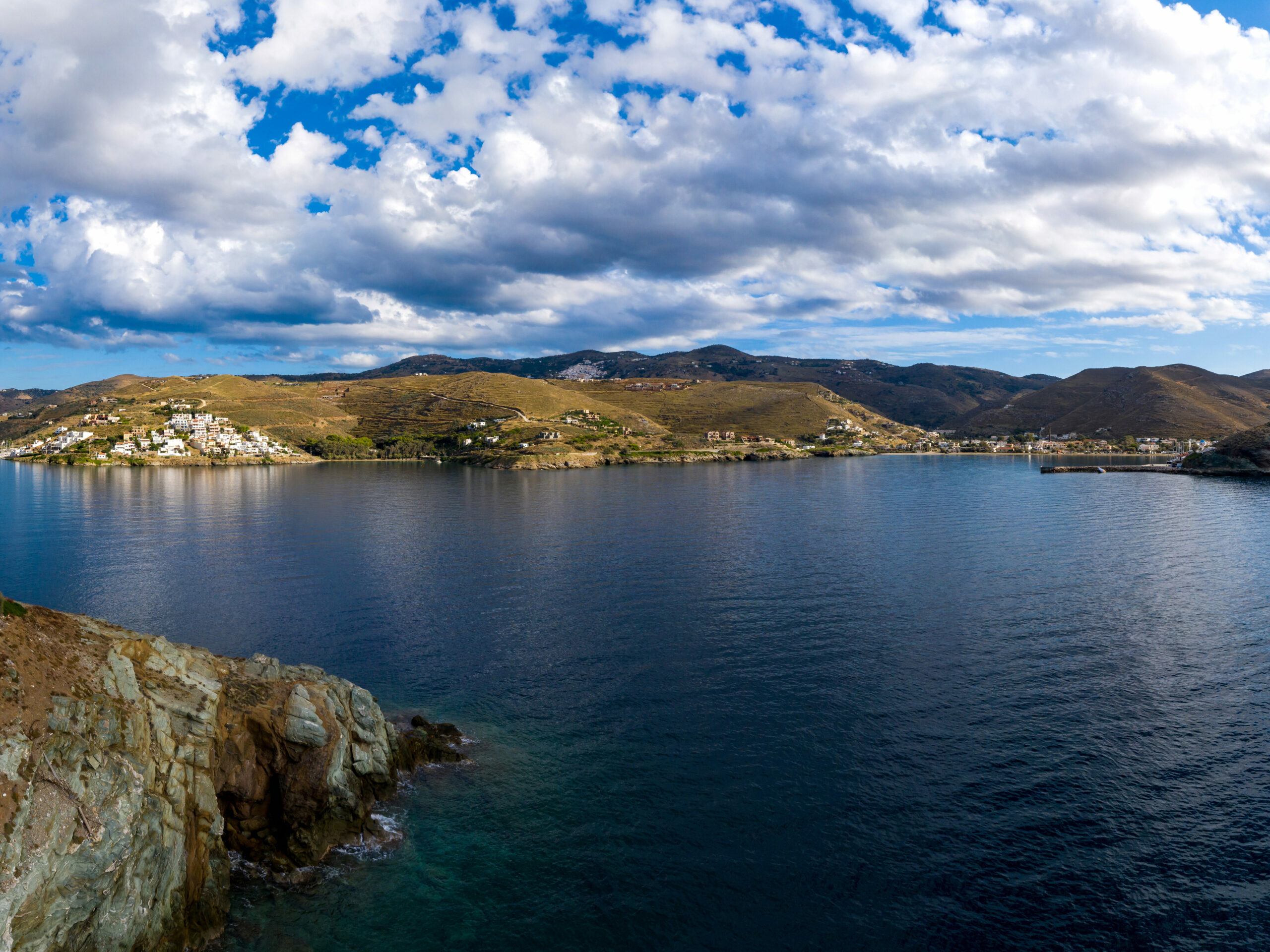
Things to Do in Kea
The best things to do in Kea connect landscape and history. A beach can lead to an ancient city, a harbour walk can lead to a Bronze Age settlement, and a village stroll can end beside an archaic lion carved into rock. Kea’s most interesting places are not isolated sights, but parts of routes, villages and coastlines.
Archaeology and Ancient Sites
Ancient Karthaia is the island’s cultural flagship: temples of Apollo and Athena, an ancient theatre, fortifications and an ancient breakwater, all set above two beaches on the southern coast. It was the most prominent of Kea’s four ancient city-states and is reachable by footpath or boat. Agia Irini, near Vourkari, is an important prehistoric settlement with finds including Late Bronze Age clay female figures. The Archaeological Museum in Ioulida holds material from Neolithic through historic periods, including the Agia Irini Kores and finds from Karthaia.
Book Experiences in Kea
Browse and book guided tours, activities and day trips in Kea through Viator.
Iconic Landmarks
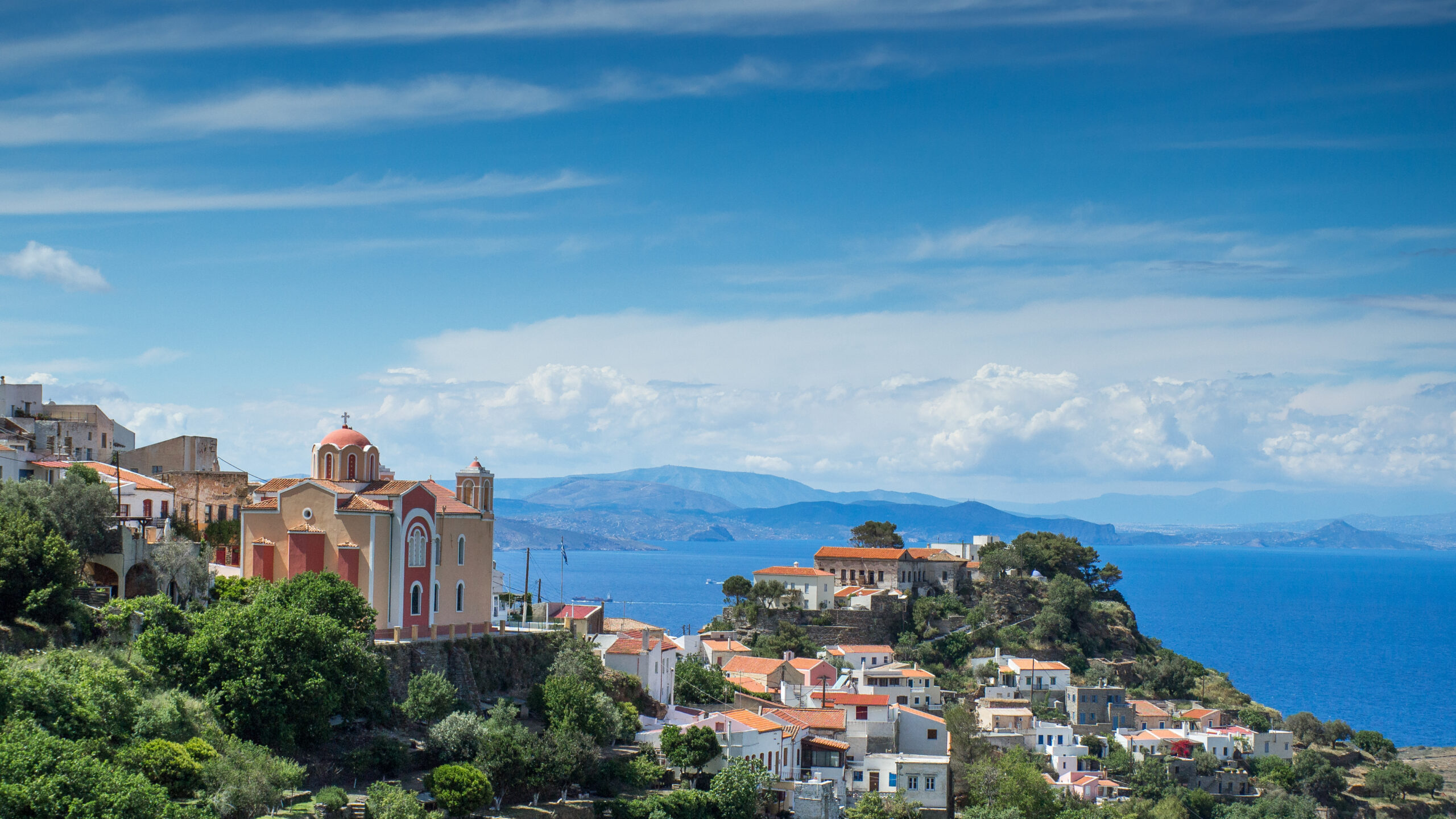
The Lion of Kea is the island’s defining symbol: an archaic sculpture roughly 8 metres long, carved into solid schist rock, dated to the 6th–7th century BC and connected to myths of nymphs, drought and the demigod Aristeos. It sits at the end of a 15–20 minute walk from Ioulida. The Enamel Factory in Korissia, with its 45-metre chimney visible from the ferry, is Kea’s most distinctive monument of industrial heritage. Panagia Kastriani, on the northeastern headland, is a monastery with Orthodox tradition dating to 1699–1700 and a major pilgrimage on August 15th.
Walking and Hiking
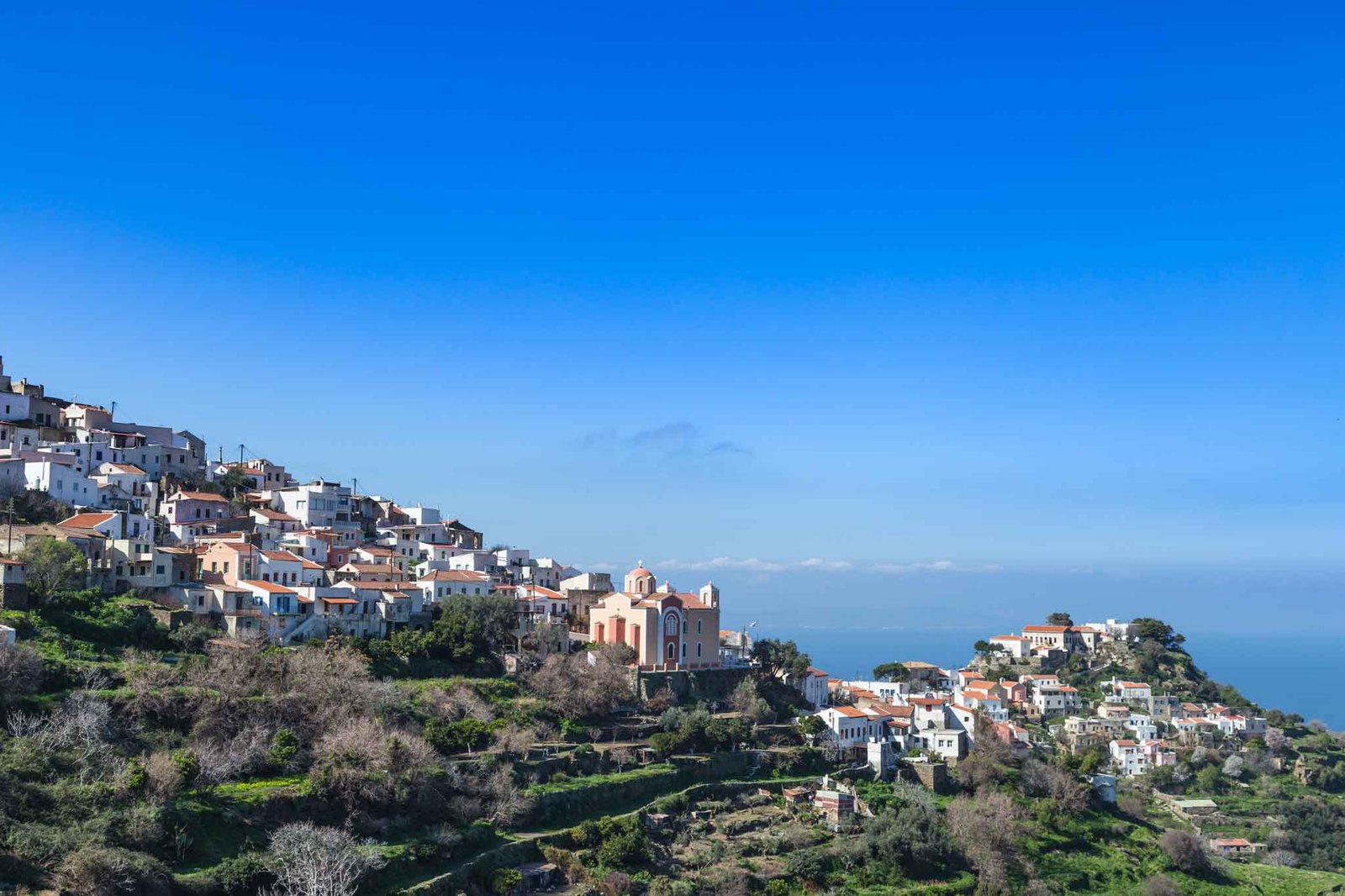
Kea has an official network of 12 signed routes covering around 81 km — many stone-paved, connecting villages, beaches, springs and archaeological sites. The most popular start from Ioulida; the most ambitious lead to Ancient Karthaia.
Diving and Wrecks
Kea’s waters hold four historically significant shipwrecks: the Britannic (the Titanic’s sister ship), the French ocean liner Burdigala, the paddlewheel steamboat Patris, and a German Junkers 52 aircraft from World War II. Access to protected wrecks requires a licensed operator — check current dive operators locally and understand the permitting requirements before planning a wreck dive.
Food and Local Products
Kea’s food story deserves time: loza, local cheeses, thyme honey, herbs, acorns, figs and Mavroudi wine all carry a strong sense of place, and the tavernas in Vourkari and Ioulida give the products a proper setting.
Things to Do in Kea
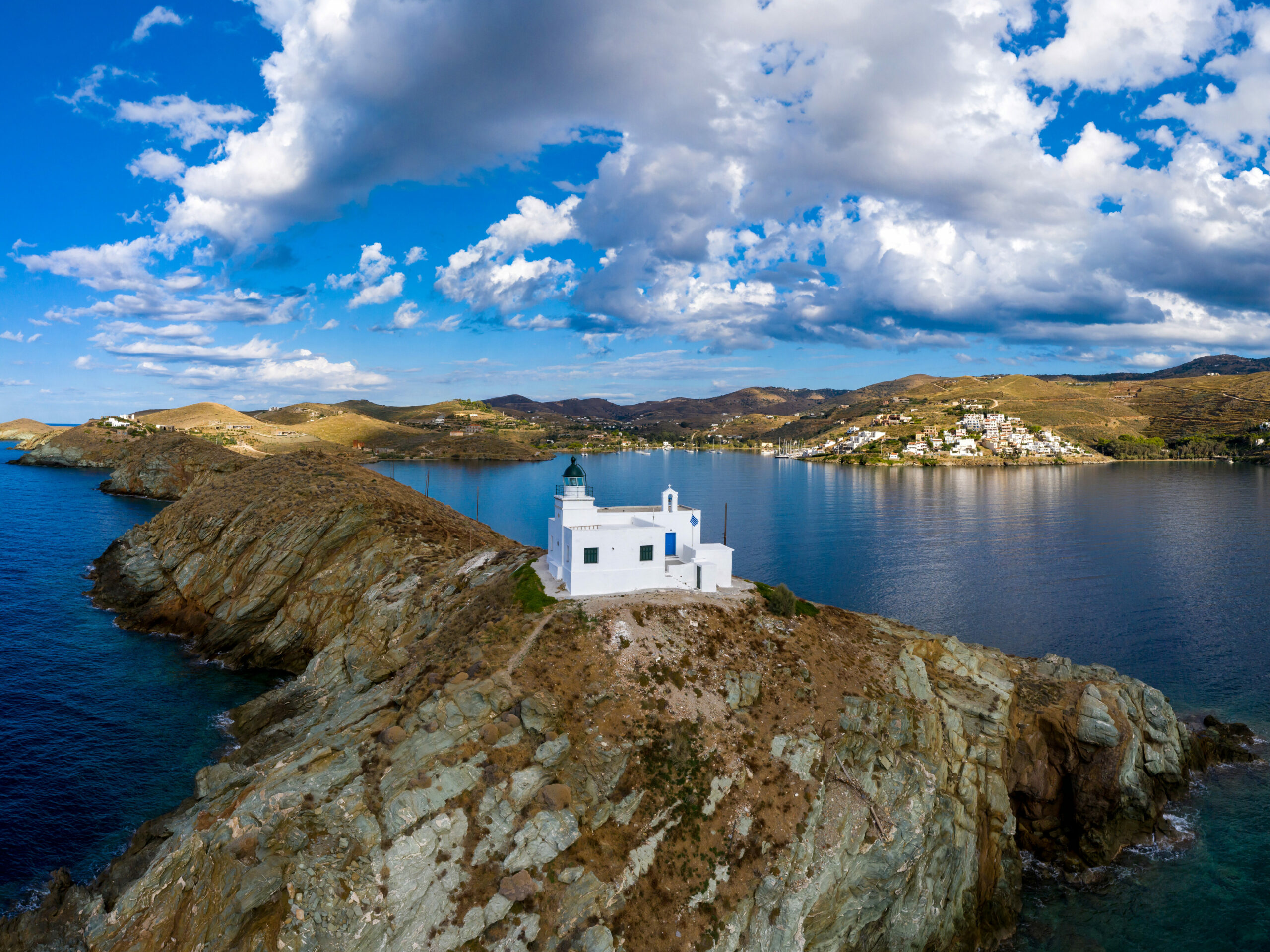
Ancient Karthaia
Temples, theatre and two beaches
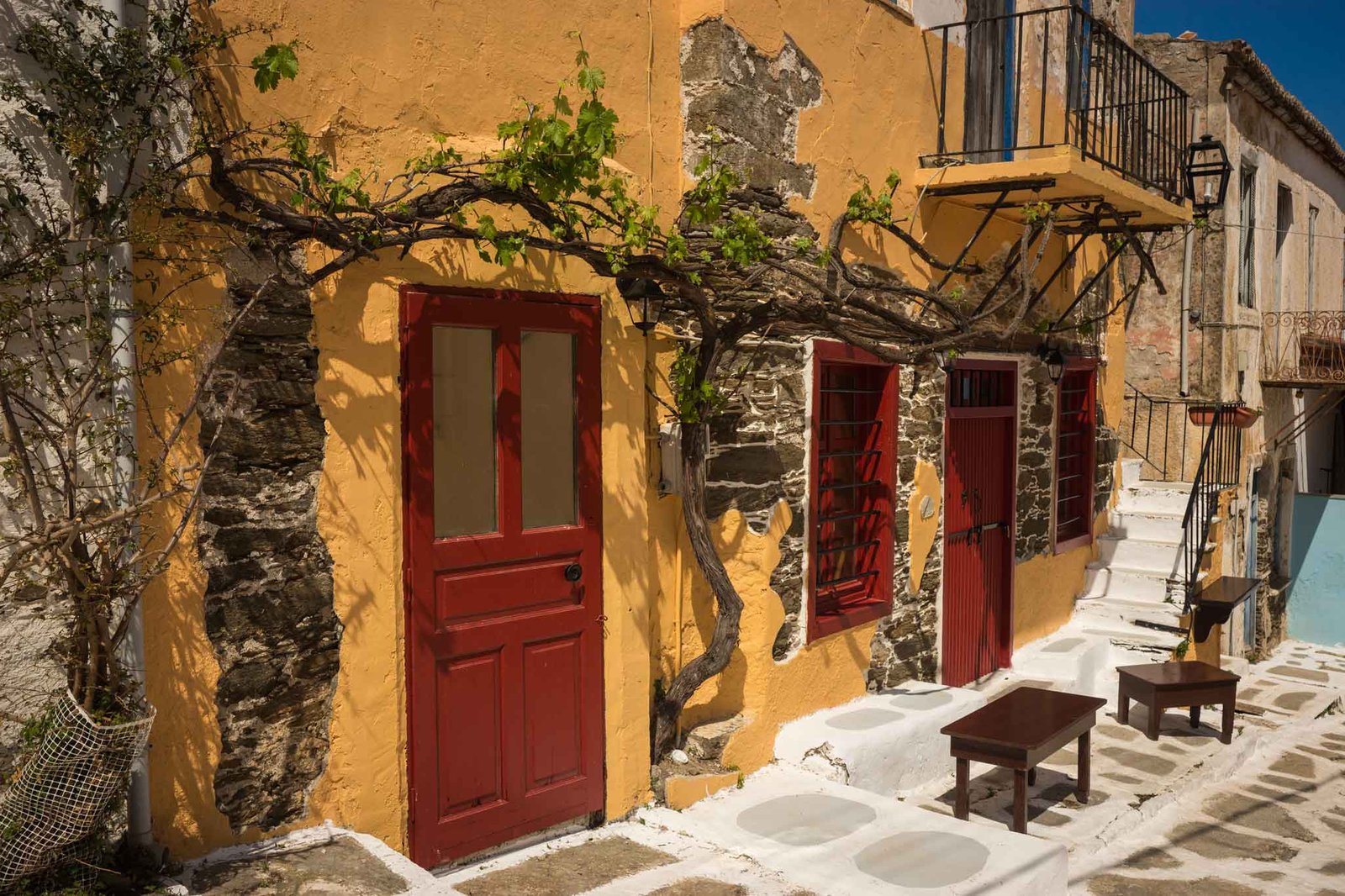
Lion of Kea
Archaic sculpture, 15 min from Ioulida
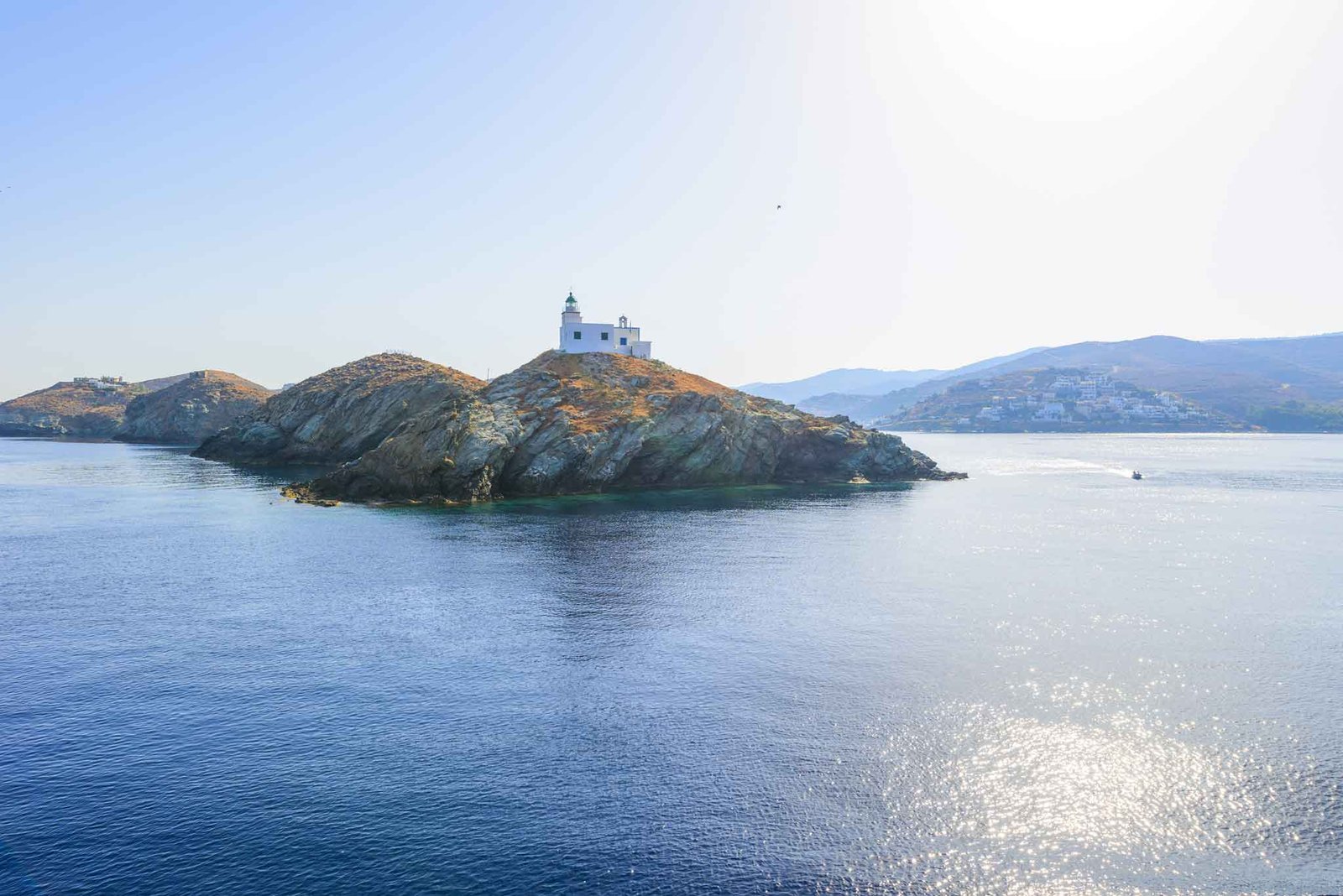
Agia Irini
Bronze Age settlement near Vourkari
Hiking
12 signed routes, 81 km of paths

Enamel Factory
45m chimney, industrial heritage
Panagia Kastriani
Monastery on the northeastern headland
Archaeological Museum
Kea’s main museum in Ioulida
Diving
Britannic and three other historic wrecks